Hire an Ecommerce SEO Specialist
The Ecommerce SEO Agency Alternative — Vetted Specialists, No Markup
Ecommerce SEO specialists drive qualified buyer traffic to product and category pages without paying for every click. They know that a well-structured online store with properly optimized product listings, clean category architecture, and robust schema markup can generate compounding organic revenue month after month.
Also known as
Shopify SEO Specialist·WooCommerce SEO Expert·Online Store SEO Specialist·Product SEO Expert·Ecommerce Search Specialist
What Does a Ecommerce SEO Specialist Do?
An ecommerce SEO specialist owns the organic search performance of an online store from top to bottom. Their work begins with a thorough technical and content audit that maps the entire site architecture: how categories are structured, whether products are properly indexed, how internal linking distributes authority, and where crawl budget is being wasted on thin or duplicate pages.
On the technical side, they implement and validate Product schema markup — ensuring search engines can display rich results with pricing, star ratings, availability, and review counts directly in SERPs. They resolve faceted navigation challenges by configuring canonical tags, noindex directives, and parameter handling in Google Search Console so that filter combinations don't create thousands of duplicate URLs competing against each other.
On the content side, they write and optimize product descriptions that actually rank. This means keyword-rich copy that addresses buyer intent at every stage — informational queries for product research, comparison queries, and high-intent transactional terms for ready-to-buy shoppers. They build out category page content, buying guides, and comparison articles that capture upper-funnel traffic and funnel it toward conversion.
Ecommerce SEO specialists also manage the ongoing SEO health of the catalog: handling out-of-stock products correctly (301 redirects vs. keeping live), ensuring new product launches are indexed quickly, monitoring Core Web Vitals scores (critical for Shopify stores with heavy app loads), and setting up rank tracking across the entire product keyword portfolio.
For agencies, they serve as the dedicated technical SEO lead for ecommerce clients — translating complex search performance data into actionable roadmaps, running quarterly SEO sprints, and communicating results in business terms (revenue attribution, organic traffic value, conversion rate by landing page).
Core Ecommerce SEO Specialist Skills
Product Page Optimization
CoreOptimizing product titles, meta descriptions, H1 tags, product copy, and image alt text for target commercial keywords while maintaining conversion-focused messaging for buyers.
Category Page SEO & Architecture
CoreStructuring product category hierarchies for maximum crawlability and keyword targeting, writing optimized category page introductions, and building internal linking frameworks that distribute authority to high-value pages.
Technical SEO for Ecommerce Platforms
CoreResolving platform-specific technical issues on Shopify, WooCommerce, Magento, and BigCommerce — including canonical tags, crawl budget management, URL structure, redirect chains, and indexation control.
Faceted Navigation & Duplicate Content Management
CoreImplementing canonical tags, noindex directives, and parameter handling for filter-generated URLs to prevent duplicate content issues and crawl budget waste on commerce sites with large filter sets.
Product Schema & Structured Data
CoreImplementing Product, Offer, AggregateRating, BreadcrumbList, and ItemList schema markup to enable rich results in Google SERPs — including star ratings, price, availability, and review counts.
Ecommerce Keyword Research
CoreIdentifying and mapping commercial, transactional, and informational keywords across product categories, using search intent analysis to prioritize opportunities with highest revenue potential.
Site Speed & Core Web Vitals for Stores
CoreDiagnosing and resolving LCP, CLS, and INP issues on ecommerce stores, including image optimization, app/plugin audit, lazy loading, and CDN configuration to meet Google's page experience standards.
Out-of-Stock & Seasonal Product Management
CoreManaging discontinued, seasonal, and out-of-stock products through correct redirect strategies, placeholder pages, and re-indexation workflows that preserve SEO equity and user experience.
Ecommerce Content Strategy
CoreBuilding buying guides, comparison content, and informational blog content that captures upper-funnel organic traffic and funnels it into the product conversion path.
Advanced Ecommerce SEO Specialist Skills
International & Multi-Currency Ecommerce SEO
AdvancedImplementing hreflang for multi-country stores, managing geo-specific product catalogs, handling currency/pricing signals for different markets, and structuring international subdomain or subdirectory architectures.
Pagination & Infinite Scroll SEO
AdvancedConfiguring paginated category and search results pages for proper indexation, handling infinite scroll implementations for Googlebot discoverability, and preserving link equity across deep catalog pages.
JavaScript SEO for Headless Commerce
AdvancedAuditing and resolving crawling and indexation issues on headless Shopify, Next.js Commerce, or custom React/Vue storefronts where product content depends on JavaScript rendering.
Amazon & Marketplace SEO Crossover
AdvancedUnderstanding keyword strategy alignment between D2C website SEO and Amazon listing optimization, including how brand search volume from one channel amplifies the other.
Structured Data Automation at Scale
AdvancedBuilding automated schema injection pipelines for large catalogs using Shopify metafields, WooCommerce custom fields, or custom script solutions that keep structured data current as product data changes.
Platform Migration SEO (Shopify / Magento / BigCommerce)
AdvancedLeading SEO-safe replatforming projects including pre-migration URL audits, redirect mapping at scale, GSC reconfiguration, and post-migration monitoring to detect and recover from ranking losses.
Ecommerce SEO Specialist Tools & Platforms
Semrush
PrimaryEcommerce-specific keyword research, position tracking for product and category terms, competitive product gap analysis, and site audit for technical issues.
Ahrefs
PrimaryBacklink analysis, content gap identification, keyword difficulty assessment, and rank tracking for ecommerce keyword portfolios.
Screaming Frog SEO Spider
PrimaryFull site crawls to identify duplicate content, missing meta data, redirect chains, broken links, canonical issues, and structured data validation across large product catalogs.
Google Search Console
PrimaryMonitoring indexation status, crawl coverage, Core Web Vitals, rich result performance, and URL inspection for ecommerce-specific issues.
Google PageSpeed Insights / Lighthouse
PrimaryDiagnosing Core Web Vitals failures, identifying LCP elements, measuring INP, and generating actionable performance improvement tasks for ecommerce store pages.
Schema Markup Validator (Google Rich Results Test)
PrimaryValidating Product, Offer, AggregateRating, and other structured data implementations to ensure rich result eligibility and catch errors before they impact rankings.
Shopify Analytics / WooCommerce Reports
PrimaryCorrelating organic traffic data with ecommerce conversion metrics, revenue attribution by landing page, and product-level performance to connect SEO work to business outcomes.
Surfer SEO
OptionalData-driven content optimization for product and category pages using SERP analysis and NLP-based keyword density recommendations.
Sitebulb
OptionalVisual site crawling with priority-ranked issue reports and architecture visualization — useful for explaining site structure problems to clients and developers.
Oncrawl / Botify
OptionalEnterprise-grade log file analysis and crawl budget management for large-scale ecommerce sites with hundreds of thousands of URLs.
Yoast SEO / Rank Math
OptionalWordPress/WooCommerce SEO plugin configuration and schema automation — core tools for WooCommerce-based store optimization.
DataForSEO / SERP API
OptionalBulk SERP data retrieval for large-scale rank tracking, competitor monitoring, and automated reporting across thousands of product keywords.
Who Needs a Ecommerce SEO Specialist?
Digital marketing agencies serving ecommerce brands are the primary buyers of ecommerce SEO talent. If your agency has clients running Shopify stores, WooCommerce sites, or any other online retail platform, and those clients want more organic traffic without increasing ad spend, an ecommerce SEO specialist is a non-negotiable hire.
D2C (direct-to-consumer) brands scaling past the paid-ads-only growth model are a second major hiring segment. Once customer acquisition costs from Meta Ads and Google Shopping become prohibitive, smart D2C operators invest heavily in building organic channels. An ecommerce SEO specialist leads that transition.
Multi-brand retailers managing complex catalogs with thousands of SKUs across dozens of categories need dedicated SEO talent to keep the catalog organized, prevent internal cannibalization, and ensure seasonal products are properly indexed and de-indexed during off-peak periods.
Agencies running performance campaigns for ecommerce clients also benefit from having a dedicated organic search specialist. SEO and paid search are increasingly interconnected — organic rankings inform bidding strategy, and paid data reveals high-converting keywords worth targeting organically. An ecommerce SEO specialist who understands this interplay adds value across both channels.
Platform migration projects are another trigger for hiring. When a client moves from Magento to Shopify, from WooCommerce to BigCommerce, or undergoes a major redesign, an experienced ecommerce SEO specialist is essential to preserve rankings and traffic during the transition — a process that, without expert guidance, can destroy years of SEO equity in days.
How to Evaluate a Ecommerce SEO Specialist
Evaluating an ecommerce SEO specialist starts with their platform fluency. Ask for specific examples of SEO work on Shopify, WooCommerce, or Magento stores. The best candidates will reference real challenges they solved — not generic best practices. Look for answers about handling Shopify's canonical tag behavior, WooCommerce's URL structure options, or Magento's native faceted navigation issues.
Technical depth is the clearest differentiator between junior and senior candidates. A mid-level specialist can implement schema markup from a template. A senior specialist understands why Product schema with 'offers' aggregate data affects CTR, when to use 'ItemList' for category pages versus individual 'Product' markup, and how to validate structured data at scale across thousands of SKUs.
Faceted navigation handling is a reliable technical litmus test. Ask the candidate: "A client's Shopify store has 500 category filter combinations being indexed. What's your approach?" Strong answers address canonical strategy, parameter handling in GSC, pagination ('rel=next/prev' deprecation awareness), and crawl budget implications simultaneously.
Review their process for product page optimization. The best ecommerce SEO specialists don't just keyword-stuff titles — they understand buyer intent segmentation, how to structure product descriptions for featured snippet capture, how to optimize image alt text at scale, and how to differentiate product pages from manufacturer descriptions to avoid thin content penalties.
Ask about results. Candidates should cite specific metrics: organic revenue growth, ranking improvements for target commercial terms, crawl coverage percentages before and after technical fixes, or organic traffic growth alongside conversion rate maintenance (it's easy to drive traffic that doesn't convert).
Finally, assess their familiarity with the intersection of SEO and CRO. The best ecommerce SEO specialists understand that driving traffic is only half the job — the other half is ensuring that landing pages convert. Look for candidates who have collaborated with conversion rate optimization specialists or who have independently made data-backed UX recommendations to improve organic landing page performance.
Mistakes to Avoid When Hiring an Ecommerce SEO Specialist
Pattern failures we see across hundreds of ecommerce seo specialist engagements — and what to do instead.
Hiring on credentials instead of results
Certifications, agency names on a résumé, and tool fluency say nothing about whether an Ecommerce SEO Specialist can move a metric. Ask for specific accounts, the starting state, the ending state, and the specialist's exact contribution. If they can't quantify outcomes, they likely didn't drive them.
Skipping the industry-experience question
Ecommerce SEO Specialists who have worked in your industry compress the ramp from 90 days to 14. The patterns — buyer behavior, seasonality, channel mix, what creative wins — don't transfer across verticals as much as people assume. Always ask for at least one account in or adjacent to your industry.
Vague or absent success metrics
Hiring without defined success criteria is how 6-month engagements end with "we tried a bunch of stuff." Before signing, agree on 2-3 quantitative outcomes tied to your business (CPA at X, revenue lift of Y%, organic traffic to Z), the time window, and what failure looks like. Specialists who push back on this are signaling they don't want accountability.
Underweighting communication and async work habits
Even the best Ecommerce SEO Specialist fails if you can't reach them, get a status update, or read their thinking. Especially for remote engagements, test their async habits explicitly: how do they document work, how often do they update, how do they handle escalation when something breaks. Bad communicators don't get better under pressure.
Over-paying for senior talent on early-stage work, or under-paying for strategic work
Both extremes waste money. A senior Ecommerce SEO Specialist at $150/hr is a poor fit for tactical execution; a $25/hr generalist is a poor fit for setting up tracking, building attribution, or running diagnostics. Match the seniority of the hire to the actual problem — for most growing businesses, the sweet spot is a vetted mid-level specialist at managed-platform rates ($10–$16/hr through EverestX), not the cheapest or most senior option.
No replacement plan if the hire is the wrong fit
~25–30% of first-attempt marketing hires don't work out within 90 days. If your hiring process has no built-in path to replace without re-starting from scratch (re-recruiting, re-interviewing, re-onboarding), the cost of getting it wrong is 6-8 weeks of stalled execution. Build replacement into the engagement up-front, or hire through a platform that includes it by default.
Pricing Comparison
No upfront fees · no hiring fees · no platform fees — clients pay only for hours worked.
Full-time
$10–$12/hr
Mon–Fri, 8 hrs/day · 40 hrs/week
≈ $1,700–$2,100/mo
Part-time
$14–$16/hr
Mon–Fri, 4 hrs/day · 20 hrs/week
≈ $1,200–$1,400/mo
How that compares to freelancers and agencies
| Experience Level | Freelancer | Agency | EverestX |
|---|---|---|---|
Junior Ecommerce SEO Specialist | $35–50/hr $5,600–$8,000/mo | $65–90/hr $10,400–$14,400/mo | $10–$12/hr $1,700–$2,100/mo |
Mid-Level Ecommerce SEO Specialist | $55–75/hr $8,800–$12,000/mo | $95–120/hr $15,200–$19,200/mo | $10–$12/hr $1,700–$2,100/mo |
Senior Ecommerce SEO Specialist | $80–110/hr $12,800–$17,600/mo | $130–165/hr $20,800–$26,400/mo | $10–$12/hr $1,700–$2,100/mo |
Expert / Lead Ecommerce SEO Strategist | $115–160/hr $18,400–$25,600/mo | $175–220/hr $28,000–$35,200/mo | $10–$12/hr $1,700–$2,100/mo |
EverestX rate is flat across experience levels — within the band, exact rate depends on the specific talent's background and skills. Part-time engagements available at $14–$16/hr (20 hrs/week).
Common Ecommerce SEO Specialist Challenges We Solve
Stop struggling with these pain points. Our vetted specialists deliver solutions from day one.
Problem
Faceted Navigation Creating Thousands of Duplicate URLs
Large ecommerce stores with robust filtering options (size, color, brand, price range) often generate tens of thousands of filter-combination URLs, all with near-identical content. Search engines crawl and sometimes index these pages, wasting crawl budget and diluting ranking signals for the original category pages.
Solution
EverestX ecommerce SEO specialists implement a comprehensive faceted navigation strategy: canonical tags on filtered pages, noindex on low-value filter combinations, parameter configuration in Google Search Console, and internal linking audits to ensure authority concentrates on primary category URLs.
Problem
New Products Not Indexed for Days or Weeks
Ecommerce stores that launch new products frequently find that new product pages can take days or weeks to appear in Google search results, missing critical launch momentum windows especially for seasonal or trend-driven products.
Solution
Specialists configure dynamic XML sitemap updates, use the Google Search Console URL Inspection API for priority submissions, implement proper internal linking from indexed category pages to new products, and ensure that site architecture doesn't isolate new products from crawl paths.
Problem
Thin Product Descriptions Triggering Quality Penalties
Stores that rely on manufacturer-supplied descriptions — or create minimal copy across hundreds of similar products — often suffer from thin content penalties that suppress rankings sitewide. Google's quality assessors treat pages with little unique value poorly, dragging down the entire domain.
Solution
Specialists develop scalable content templates that balance unique copy creation with systematic optimization, prioritizing high-revenue products for full custom descriptions while using differentiation frameworks for large catalogs. They also identify which thin pages to consolidate, noindex, or expand based on traffic and conversion data.
Problem
Platform Migrations Destroying Rankings and Revenue
Replatforming from Magento to Shopify, WooCommerce to BigCommerce, or any major redesign without expert SEO oversight routinely results in 30–70% organic traffic drops. URL structure changes, missing redirects, stripped schema markup, and changed site architecture all contribute to catastrophic ranking losses.
Solution
Specialists lead SEO-safe migration processes: pre-migration URL audits, redirect mapping for every changed URL, schema reimplementation on the new platform, GSC reconfiguration, and intensive post-launch monitoring with rapid-response protocols to catch and address ranking losses within days rather than months.
Problem
Out-of-Stock Products Cannibalizing SEO Equity
When popular products go out of stock, stores face a difficult choice: keep the page live (frustrating users) or delete it (losing accumulated SEO authority and backlinks). Neither extreme is correct, yet many stores default to one or the other without a strategic framework.
Solution
Specialists implement tiered out-of-stock strategies: temporarily unavailable products keep their pages with "back in stock" CTAs and related product recommendations; permanently discontinued products are 301-redirected to the best equivalent; seasonal products use structured re-indexation schedules aligned to product availability windows.
Problem
Core Web Vitals Failures on Shopify Stores
Shopify's app ecosystem is one of its strengths but also a major CWV liability. Stores with 15–30 third-party apps routinely fail Google's Core Web Vitals thresholds, resulting in lower page experience scores and ranking disadvantages versus faster competitors.
Solution
Specialists conduct app-by-app performance audits, identifying which apps contribute most to LCP, INP, and CLS failures. They prioritize app removals or replacements, implement lazy loading for non-critical elements, audit third-party scripts, and work with developers to configure CDN caching and image optimization pipelines.
Problem
Product Pages Ranking for Wrong Keywords
Without proper keyword mapping, product pages often rank for informational queries rather than transactional ones, or different products compete against each other for the same keyword. Both scenarios result in lower conversion rates from organic traffic and missed revenue opportunities.
Solution
Specialists perform comprehensive keyword mapping across the full product catalog, assigning distinct target keyword clusters to each product and category, implementing on-page optimization that clearly signals transactional intent to search engines, and using content differentiation strategies to prevent internal keyword cannibalization.
Problem
No Attribution Between SEO Work and Revenue
Agencies lose ecommerce SEO clients not because the SEO isn't working but because the reporting doesn't connect rankings and traffic to revenue. When clients can't see organic revenue growth on their P&L, they question the ROI of SEO retainers — even when the channel is performing well.
Solution
Specialists configure GA4 ecommerce tracking with organic source attribution, build custom dashboards showing organic revenue by landing page, organic conversion rate versus paid benchmarks, and projected revenue impact of ranking improvements. They translate SEO metrics into CFO-friendly language: cost per organic acquisition, SEO-driven revenue, organic traffic value (what equivalent traffic would cost in Google Ads).
Ecommerce SEO Specialist vs Agency: Quick Comparison
Should you hire a dedicated Ecommerce SEO Specialist or outsource to an agency? Here is how the two approaches compare across the dimensions that matter most. For a deeper analysis, read our full Ecommerce SEO Specialist vs agency comparison.
Detailed Comparison
See how EverestX stacks up against hiring a freelancer or working with an agency.
| Dimension | Freelancer | Agency | EverestX |
|---|---|---|---|
Dedicated Focus | Full attention on your accounts | Split across 8–15 accounts | Dedicated specialist per account |
Platform Expertise | Deep specialization in specific platforms | Generalist knowledge across many verticals | Pre-vetted for ecommerce platform depth |
Monthly Cost (Mid-Level) | $8,800–$12,000/mo (US freelancer) | $15,200–$19,200/mo billed | $1,700–$2,100/mo full-time · $1,200–$1,400/mo part-time |
Response Time | Highly responsive (sole focus) | Slow — goes through account manager | Highly responsive (dedicated to your team) |
Vetting & Quality | Self-assessed — you must vet yourself | Varies widely by agency | Pre-vetted for ecommerce SEO specifically |
Replacement if Underperforms | Must find and vet a new freelancer | Account manager shuffles team | Managed replacement with continuity |
Agency Integration | Works independently by default | Not applicable (is the agency) | Embedded in your agency workflow |
How EverestX Works
A streamlined process to get you from requirement to results in days, not months.
Tell Us What You Need
Submit your role requirements, budget, and timeline. Our team reviews every request to understand your exact needs.
Get Matched in 48 Hours
We match you with pre-vetted specialists from our talent pool. Review profiles, skills, and availability before deciding.
Start Working Together
Your specialist is onboarded with managed support. We handle contracts, payments, and ongoing quality assurance.
Ecommerce SEO Specialist Hiring FAQs
How long does ecommerce SEO take to show results?
Ecommerce SEO timelines vary by starting point and competitive landscape, but here are realistic benchmarks agencies should set with clients: For stores with existing domain authority (DR 30+), technical fixes and on-page optimization can generate measurable ranking improvements in 60–90 days. New domains or stores with significant technical debt typically need 4–6 months before organic traffic shows meaningful growth. Category page optimization tends to produce faster results than building topical authority through content. If a store's category pages are already indexed but ranked on page 2–3, a combination of on-page optimization and internal link building can push them to page 1 within 2–3 months. The compounding nature of SEO means months 6–12 typically show the steepest growth curve. The work done in months 1–3 (technical fixes, content creation, link building) starts producing exponential results as domain authority builds and content assets accumulate.
What's the difference between an ecommerce SEO specialist and a general SEO specialist?
General SEO specialists understand the fundamental principles of search: keyword research, on-page optimization, link building, technical audits. An ecommerce SEO specialist applies these fundamentals within the unique context of online retail — and that context creates an entirely different set of challenges. Ecommerce-specific challenges that generalists often struggle with include: faceted navigation and filter URL management, product schema markup (far more complex than basic Article or Service schema), out-of-stock product handling, large-catalog crawl budget optimization, Shopify/WooCommerce platform-specific quirks, category page optimization that balances SEO with merchandising requirements, and connecting organic performance to ecommerce revenue metrics. For a 10-product Shopify store with simple content needs, a general SEO specialist can often handle the work adequately. For any store with 100+ SKUs, complex filtering, seasonal product cycles, or significant revenue at stake, an ecommerce specialist's depth of expertise pays for itself quickly in avoided mistakes and faster results.
Should ecommerce SEO and paid search be managed by the same person?
There are legitimate arguments for both integration and separation. Here's the honest answer: For smaller ecommerce accounts (under $20K/mo in ad spend), having one generalist managing both channels can work if that person has solid competency in both. The channel insights transfer well — paid search data reveals high-converting keywords worth targeting organically, and organic rankings inform which paid keywords to prioritize or pull back on. For larger accounts, separation of responsibilities almost always produces better results. Paid media and SEO each require dedicated focus. The technical depth required for ecommerce SEO — faceted navigation, schema markup, crawl budget management, content strategy at scale — doesn't pair well with the campaign management, audience strategy, and bid optimization demands of paid search. EverestX's model allows agencies to hire dedicated ecommerce SEO specialists and paid media specialists separately, maintaining clean accountability while ensuring both practitioners communicate regularly on shared keyword strategy and performance insights.
How do you handle SEO for Shopify stores specifically?
Shopify is the most common platform EverestX ecommerce SEO specialists work with, and it has well-documented quirks that require platform-specific expertise. The most significant Shopify SEO challenges include: the default duplicate URL structure (products appear under /products/ and /collections/product-handle/), canonical tag management, limited control over URL structures (no custom category slugs without apps), app bloat causing Core Web Vitals failures, and the collections URL structure that can create thin collection pages. Experienced Shopify SEO specialists have tested workarounds for each of these. They know how to configure canonicals correctly for product pages, how to evaluate which apps are worth their performance cost, how to build collection page content that ranks without conflicting with product pages, and how to work within Shopify's theme system to implement optimizations without breaking the storefront. They also know when to recommend a Shopify Plus upgrade or headless implementation for clients whose growth has outpaced the standard platform's SEO flexibility — and how to manage that migration without losing rankings.
What is product schema markup and why does it matter?
Product schema markup is structured data code (typically JSON-LD) that tells Google explicitly what a product is, what it costs, whether it's in stock, and what customers think of it. When correctly implemented, this data enables "rich results" in Google search — those eye-catching search listings that show star ratings, prices, and availability directly in the search results page. Rich results significantly increase click-through rates. A product listing showing 4.8 stars and "In Stock — $89" gets far more clicks than a plain blue link with the same ranking position. This makes schema markup one of the highest-ROI technical SEO investments for ecommerce stores. Beyond rich results, Google's Shopping Graph increasingly relies on structured data to understand and surface products across Search, Shopping, and image results. Stores with accurate, complete Product schema have a clear advantage in how Google represents their products across multiple surfaces. Ecommerce SEO specialists implement Product schema correctly at scale — including the 'offers' aggregate for variants, 'aggregateRating' from review data, 'availability' signals, and 'brand' properties — ensuring every eligible product page qualifies for rich result display.
How should we handle SEO when products go out of stock?
Out-of-stock product SEO is one of the most mishandled areas in ecommerce. Stores routinely either delete pages (losing years of accumulated SEO equity) or keep them live with poor user experience (high bounce rates and frustrated shoppers). The correct approach depends on why the product is unavailable: Temporarily out of stock: Keep the page live, add "back in stock" notification signup, surface closely related in-stock alternatives, and maintain the original URL and content. Google recommends keeping these pages indexed. Permanently discontinued: 301-redirect to the best available alternative product or the parent category page. Don't delete the URL without redirecting — you'll lose all link equity and any direct traffic. Seasonal products (holiday, summer, etc.): Keep the page live year-round with off-season messaging, or use a structured noindex/re-index schedule to pull the page during off-season and restore it before the selling season begins. Variants discontinued but product alive: Keep the product page live, remove the discontinued variant from the structured data, update the copy to reflect current availability. A clear out-of-stock protocol documented in an agency's SEO SOPs prevents the costly mistakes that come from inconsistent product page management.
How do ecommerce SEO specialists work with development teams?
The relationship between ecommerce SEO and development is closer than in most other digital disciplines because so many SEO optimizations require code changes: schema markup implementation, URL structure modifications, canonical tag logic, page speed improvements, JavaScript rendering fixes, and site architecture changes. Effective ecommerce SEO specialists communicate technical requirements in developer-friendly terms — writing clear briefs, providing code examples, and prioritizing requests by revenue impact. They understand enough about how ecommerce platforms work technically to propose solutions that are feasible within the platform's constraints, not just theoretically ideal. For agencies, this means an ecommerce SEO specialist should be comfortable participating in development sprint planning, writing technical specifications for SEO requirements, and testing implementations after deployment. The best ones use staging environments to validate changes before they go live and have monitoring in place to catch any technical regressions post-deployment. When a development team isn't available for technical SEO work, experienced specialists know which changes can be made directly in the platform's theme editor, which require app solutions, and which truly need custom development — helping agencies set realistic timelines and resource requirements.
What metrics should we track for ecommerce SEO performance?
Ecommerce SEO reporting should ladder up to business outcomes, not just search engine metrics. The most meaningful measurement framework combines four levels: Revenue attribution: Organic revenue (from GA4 ecommerce tracking), organic conversion rate by landing page, organic revenue as a percentage of total revenue, cost per organic acquisition versus paid acquisition. Traffic quality: Organic sessions, organic new users, bounce rate by product/category page, pages per session from organic entry. Search performance: Keyword rankings for target commercial terms, SERP feature appearances (rich results, featured snippets), click-through rates from Search Console, crawl coverage percentage. Technical health: Core Web Vitals pass rates, index coverage ratio, crawl error trends, structured data validity rate. For agency client reporting, the most compelling metric is organic traffic value — calculated by multiplying organic sessions by the average CPC for those keyword terms. When a store is getting $50,000/month in organic traffic that would cost $80,000 to replace with Google Shopping and Search ads, the ROI of SEO investment becomes immediately clear to any client or finance team.
Can one ecommerce SEO specialist handle a large catalog with 10,000+ products?
Scale changes the nature of ecommerce SEO work significantly. At 10,000+ SKUs, individual product optimization gives way to systematic, templated approaches. A single specialist can manage a large catalog effectively with the right tools and systems — but the work looks different from boutique store SEO. At scale, the specialist focuses on: high-value product and category prioritization (which 20% of products drive 80% of revenue and deserve custom optimization), template-based optimization that improves metadata quality across large groups programmatically, automated schema injection so new products launch with complete structured data, crawl budget management to ensure Googlebot covers the right pages, and systematic content gap analysis to identify category-level opportunities. For agencies managing large-catalog clients, an ecommerce SEO specialist is often paired with a content writer or content team for execution-level work. The specialist sets strategy, writes briefs, validates implementations, and monitors performance — while the content team handles high-volume description writing and the development team handles technical implementations. If a client's catalog is truly massive (100,000+ SKUs), enterprise-grade tools like Botify or Oncrawl may be necessary, and a team rather than a single specialist is the appropriate staffing model.
How do ecommerce SEO specialists handle competitor keyword cannibalization?
Internal keyword cannibalization — where multiple pages on the same site compete for the same search query — is extremely common in ecommerce and materially harms rankings. The most common scenarios: product pages competing with category pages for the same commercial term, multiple product variants ranking against each other, or blog content cannibalizing product pages for transactional queries. Solving cannibalization starts with a comprehensive keyword-to-URL mapping audit. The specialist identifies which pages are ranking for each target keyword, compares their authority and conversion potential, and then implements a resolution strategy. For product versus category cannibalization: the category page almost always should rank for the broad commercial term (e.g., "women's running shoes"), with product pages targeting more specific variant queries ("Nike Air Zoom Pegasus women's size 8"). Internal linking and canonical signals reinforce this hierarchy. For product variants: consolidation to a single configurable product page (with variant-specific content) is usually the right solution rather than maintaining separate pages for each size/color. For blog versus product page conflicts: the blog content should target informational queries that feed the product page, not compete with it for transactional terms. Internal links from the blog to the product page pass authority rather than split it.
What is the ROI of hiring a dedicated ecommerce SEO specialist versus a generalist?
The ROI gap between a dedicated ecommerce SEO specialist and a generalist widens significantly as store complexity and revenue scale up. Here's a practical framework for evaluating it: For a store generating $500K/year in organic revenue, a 20% improvement in organic traffic translates to $100K in additional revenue annually. A specialist who can achieve that improvement — and generalists typically achieve it 2–3x faster than non-specialists — pays for their retainer many times over. Beyond growth, specialists prevent revenue-destroying mistakes. A platform migration handled poorly by a generalist can wipe out 50% of organic rankings, potentially costing hundreds of thousands in lost revenue and paid search spend required to compensate. A specialist-led migration preserves that equity. Specialists also identify high-impact opportunities faster. They know which technical issues have disproportionate ranking impact (faceted navigation, Core Web Vitals, schema markup) versus which optimizations are marginal. Agencies that hire generalists for ecommerce clients often find months are spent on low-impact work while critical structural issues go unfixed. EverestX pre-vetted ecommerce SEO specialists provide the expertise of a senior agency practitioner at a fraction of the cost, with dedicated focus on your client's specific platform and competitive landscape.
How should agencies price ecommerce SEO services to clients?
Agency pricing for ecommerce SEO retainers typically falls into three models: flat monthly retainer, hourly billing, or performance-based. Flat monthly retainers ($2,500–$10,000+/month for most agency clients) are the most common model. They provide predictable cash flow for the agency and predictable costs for the client. The specialist's EverestX cost is covered within the retainer, with agency margin on top. Hourly billing works for project-based work (technical audits, migration projects, one-time optimization sprints) where scope is well-defined upfront. Performance-based models — where a portion of the fee is tied to ranking improvements or organic revenue growth — are increasingly popular with results-confident agencies. They require strong analytics setup and clear baseline measurement. For agencies using EverestX specialists, the math is straightforward: hire a specialist at $10–$12/hr full-time or $14–$16/hr part-time (rates vary within each band by experience and skills), bill the client at $80–150/hr for their time, and build a substantial agency margin on top. The specialist's focus and expertise allow the agency to offer genuinely competitive results versus hiring a generalist internally — with no upfront, hiring, or platform fees on the EverestX side.
What is typically included in an ecommerce SEO package?
Most ecommerce SEO packages, whether sold by an agency or scoped for a dedicated specialist, cover the same core workstreams. Understanding them helps you compare offers and avoid paying agency markup for work a single specialist can own end to end. A complete ecommerce SEO engagement usually includes: a technical and crawl audit (faceted navigation, canonicals, indexation, Core Web Vitals); product and category page optimization (titles, copy, internal linking, on-page targeting); Product schema and structured data implementation for rich results; ecommerce keyword research and mapping across the catalog; content for buying guides and category pages; and ongoing rank tracking with revenue-attributed reporting (organic revenue by landing page in GA4). Where the models differ is delivery. An agency bundles these into a fixed monthly "package" priced at $2,500–$10,000+/mo, with much of the fee going to account management and margin rather than execution hours. With EverestX, you skip the package markup entirely — you hire a dedicated ecommerce SEO specialist who runs the full scope above at $10–$12/hr full-time (or $14–$16/hr part-time), working inside your team with no upfront, hiring, or platform fees. You scope the hours to your catalog size and scale them up or down as the work demands.
More Ways to Get Ecommerce SEO Specialist Help
Different intents, different pages — same vetted talent network underneath.
Buy it as a service
Ecommerce SEO Specialist as a Managed Service
If you'd rather buy a service outcome than hire a person, see our ecommerce seo specialist done-for-you service page.
Learn moreCompare alternatives
Best Ecommerce SEO Specialist Agencies & Alternatives (2026)
Honest comparison of the top ecommerce seo specialist vendors — EverestX vs Toptal vs Upwork vs agencies.
Learn moreCost & Pricing
Top Cities
- Ecommerce SEO Specialist in New York
- Ecommerce SEO Specialist in Los Angeles
- Ecommerce SEO Specialist in Chicago
- Ecommerce SEO Specialist in Houston
- Ecommerce SEO Specialist in Austin
- Ecommerce SEO Specialist in San Francisco
- Ecommerce SEO Specialist in Seattle
- Ecommerce SEO Specialist in Denver
- Ecommerce SEO Specialist in Boston
- Ecommerce SEO Specialist in Miami
Industries
- Ecommerce SEO Specialist for E-commerce & DTC
- Ecommerce SEO Specialist for SaaS & Technology
- Ecommerce SEO Specialist for Healthcare & Medical
- Ecommerce SEO Specialist for Finance & Fintech
- Ecommerce SEO Specialist for Education & EdTech
- Ecommerce SEO Specialist for Real Estate
- Ecommerce SEO Specialist for Travel & Hospitality
- Ecommerce SEO Specialist for Agency & Consulting
- Ecommerce SEO Specialist for B2B Services
- Ecommerce SEO Specialist for Consumer Products & CPG
- Ecommerce SEO Specialist for Media & Entertainment
- Ecommerce SEO Specialist for Nonprofit & NGO
Related Roles
Real clients, real outcomes
Hear it from teams
we work with.
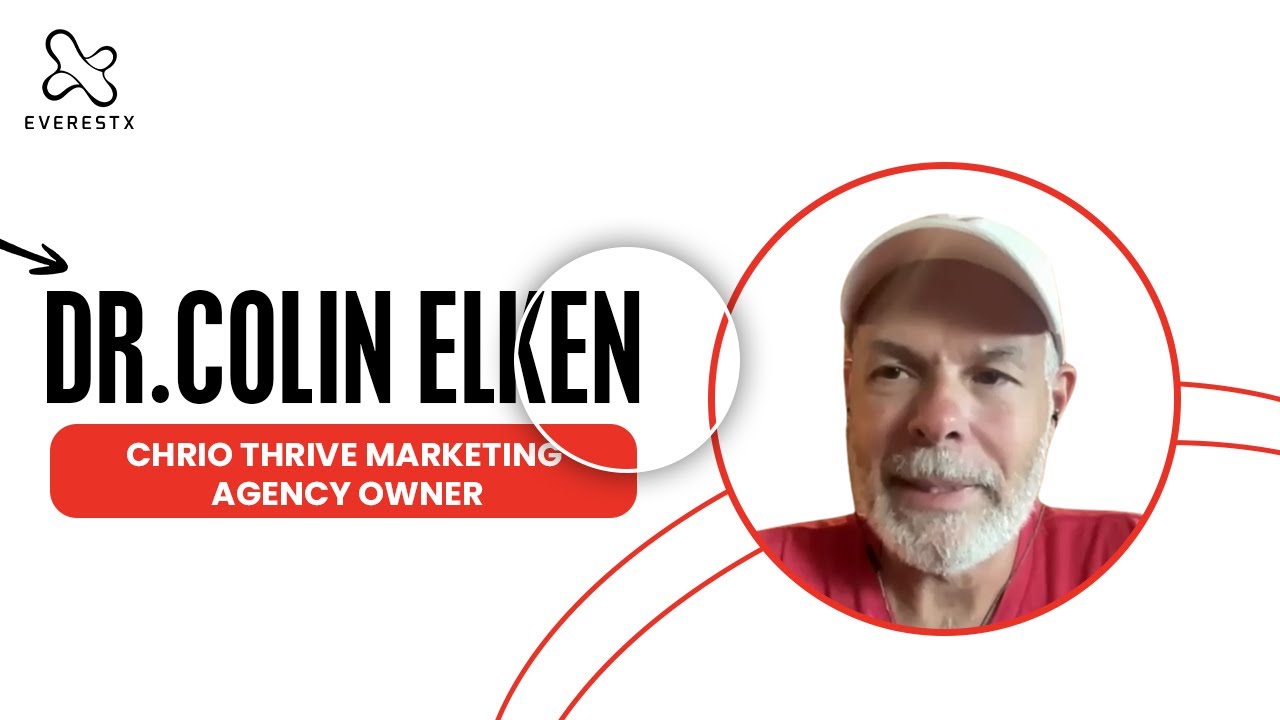
“He really acts as if he’s a part owner of the company. Owns up to mistakes right away, corrects them, and has done some wonderful work for us — frankly, helped us grow.”
Dr. Colin Elken
Agency Owner, Chirothrive Marketing Agency
Hired: Digital Marketing Specialist (Full-Time)

“He was a great team member with us for the last year. Definitely knows digital ads — very responsive and committed throughout.”
Jerry Martinez
President, Sunray Media Consultants
Hired: Performance Marketing Specialist (Full-Time)

“Saved us a ton of time on screening. The person they sent came in ready and picked up our stack fast — has been delivering consistently since week one.”
Rishi Patel
Senior Talent Operations Manager, RippleMatch
Hired: Paid Ads Specialist (Part-Time)
Tutorials
Want to do this yourself? Here is how
Free, step-by-step tutorials covering the tools this role works in. If at any point you would rather hand it off, our specialists are above.
Shopify
When to hire a Shopify marketing specialist — an honest checklist
DIY Shopify marketing is a great idea — until it isn't. This is the honest framework: when the cost of self-managing exceeds the cost of hiring, and how to tell which side you're on.
WooCommerce
When to hire a WooCommerce specialist — an honest checklist
DIY WooCommerce is a great idea — until your plugin count crosses 30, your checkout breaks intermittently, and PageSpeed sits at 35. This is the honest framework: when the cost of self-managing exceeds the cost of hiring, and how to tell which side you're on.
Triple Whale
Triple Whale vs Northbeam vs Polar — which DTC attribution tool to pick
The three big DTC attribution platforms all market themselves as 'the one source of truth.' They're not interchangeable. Each fits a different stage, stack, and operator. Here's the honest decision framework.
Triple Whale
When to hire a DTC attribution specialist — an honest checklist
DIY DTC attribution is a great idea — until it isn't. This is the honest framework: when the cost of self-managing Triple Whale (or any attribution platform) exceeds the cost of hiring, and how to tell which side you're on.
Ready to Hire a Ecommerce SEO Specialist?
Get matched with a vetted Ecommerce SEO Specialist in 48 hours. Try 1 week risk-free — no charge if not the right fit.
48-hour match guaranteed · Replacement at no cost · Cancel anytime