Hire a SEO Content Specialist
Hire an SEO Content Specialist who turns keyword research into organic traffic that compounds — articles, pillar pages, and content hubs that rank for years.
Most businesses understand that content drives SEO. Far fewer understand why their content fails to rank. Publishing without strategy is the most common and most expensive mistake in digital marketing — tens of thousands of words written, months of effort invested, and almost no organic traffic to show for it.
Also known as
SEO Content Writer·SEO Copywriter·Content SEO Strategist·SEO Blog Writer·Content Marketing SEO Specialist
What Does a SEO Content Specialist Do?
An SEO Content Specialist manages the full content lifecycle — from keyword research and topic selection through writing, on-page optimization, internal linking, and performance monitoring. Their work is strategic and systematic, not simply prolific.
Keyword Research & Topic Clustering
The specialist begins by mapping the full keyword landscape relevant to your business. This goes beyond finding high-volume terms — they identify search intent (informational, navigational, commercial, transactional), cluster related keywords into topics, and prioritize based on business value, keyword difficulty, and current domain authority. They use tools like Ahrefs, SEMrush, and Google Search Console to find keywords where the site has a realistic shot at ranking, and identify content gaps — topics competitors rank for that the site does not cover at all.
Content Strategy & Architecture
Before any writing begins, the specialist designs a content architecture. This means mapping pillar pages (broad, comprehensive guides on core topics) to supporting cluster content (specific, narrower articles that link back to the pillar). This hub-and-spoke structure signals topical authority to Google and earns rankings across an entire subject area rather than individual queries. They also map how new content will interconnect with existing pages, ensuring every piece strengthens the overall link equity of the site.
Content Brief Creation
For each piece, the specialist produces a detailed brief covering the target keyword, secondary keywords, search intent, recommended structure (H1, H2, H3 hierarchy), questions to answer, competing content to reference, word count guidance, internal linking targets, and calls to action. Briefs are the quality control mechanism — they ensure writers produce content aligned with SEO requirements from the first draft, eliminating costly revision cycles.
SEO Article & Blog Writing
The specialist writes long-form content that balances readability for humans with signals for search engines. This includes compelling introductions that address search intent immediately, structured headers that capture People Also Ask features, semantically rich body copy that covers a topic comprehensively, and clear CTAs aligned with conversion goals. Strong SEO writers understand that dwell time, scroll depth, and engagement signals influence rankings — content that keeps readers on the page outperforms keyword-stuffed content.
On-Page SEO Optimization
Every published piece requires precise on-page optimization: title tags that include the primary keyword while maximizing click-through rate, meta descriptions that drive clicks from search results, header tag hierarchies that reflect content structure, image alt text, URL slug optimization, and internal linking. The specialist ensures these elements are implemented correctly at publication, not patched weeks later.
Content Auditing & Refreshing
Existing content is often a business's most underutilized SEO asset. The specialist audits published content to identify pages that ranked well and have slipped, pages that never ranked but have potential, and pages consuming crawl budget without contributing traffic. They prioritize refreshes — updating statistics, expanding thin sections, improving headers, and adding internal links — which often deliver ranking improvements faster than publishing new content.
SERP Feature Targeting
Featured snippets, People Also Ask boxes, and Knowledge Panels capture significant traffic above standard organic results. The specialist identifies query types likely to generate these features and structures content to win them: concise definition paragraphs, numbered step lists, comparison tables, and FAQ sections formatted for extraction.
Topical Authority Building
Google's Helpful Content system and E-E-A-T signals reward websites that demonstrate genuine depth of knowledge. The specialist builds topical authority by ensuring comprehensive coverage of core topics — no gaps in the knowledge map, consistent publishing cadence, proper attribution and author bio optimization, and content that references primary sources and original data.
Core SEO Content Specialist Skills
Keyword Research & Topic Clustering
CoreConducting comprehensive keyword research using Ahrefs, SEMrush, and Google Search Console to identify search volume, keyword difficulty, and intent signals. Grouping related keywords into topic clusters that map to pillar and supporting content. Prioritizing topics based on business value, ranking feasibility, and existing domain authority to build a keyword roadmap that compounds organic traffic over time.
Content Strategy & Editorial Planning
CoreDesigning content architectures that build topical authority — pillar pages covering broad topics supported by cluster articles covering specific subtopics. Creating editorial calendars that align publishing cadence with business goals, seasonal trends, and competitive gaps. Balancing new content production with content refreshes to maximize return from the existing content library.
SEO Article & Blog Writing
CoreProducing long-form content (1,500–4,000+ words) that satisfies search intent, retains reader attention, and earns rankings through depth and relevance. Structuring articles with compelling introductions, clear header hierarchies, scannable formatting, and concrete CTAs. Writing in a style that demonstrates expertise and builds reader trust — the foundation of Google's E-E-A-T evaluation.
On-Page SEO Optimization
CoreImplementing the full on-page optimization checklist for every published piece: primary keyword in title tag, H1, and opening paragraph; optimized meta description for click-through rate; logical H2/H3 hierarchy; keyword-relevant image alt text; SEO-friendly URL slug; and targeted internal links. Ensuring optimization is accurate at publication rather than patched retroactively.
Content Brief Creation
CoreBuilding detailed content briefs that guide writers (in-house, freelance, or AI-assisted) to produce SEO-aligned content from the first draft. Briefs include target keyword, secondary keywords, search intent analysis, recommended structure, questions to answer, competitor content review, word count guidance, internal links to include, and conversion goal. Quality briefs eliminate wasted revision cycles.
SERP Feature Optimization
CoreIdentifying opportunities for featured snippets, People Also Ask boxes, numbered lists, and other SERP enhancements that capture traffic above standard organic results. Structuring content to win these features: concise definition paragraphs for snippet extraction, step-numbered instructions for how-to features, comparison tables for commercial queries, and FAQ sections for People Also Ask.
Topical Authority Building
CoreBuilding comprehensive content coverage across core topic areas to signal expertise to Google's quality evaluation systems. Mapping content gaps, ensuring every relevant sub-topic is covered, auditing for consistency in depth and accuracy, and building author credibility through bio pages and expert attribution. Topical authority is the sustainable competitive moat in modern SEO.
Content Auditing & Refreshing
CoreSystematically auditing existing content libraries to identify underperforming pages, content that has declined in rankings, and articles with thin or outdated information. Prioritizing refreshes based on traffic potential and effort required. Expanding thin content, updating statistics and examples, improving internal linking, and restructuring headers to recapture lost rankings.
Internal Linking Strategy
CoreDesigning and implementing internal link structures that distribute page authority across the site, help search engines understand content relationships, and guide readers toward conversion. Identifying high-authority pages that should pass link equity to conversion-focused pages. Auditing orphan content — pages with no internal links that fail to get crawled or pass authority.
Advanced SEO Content Specialist Skills
Pillar Page & Content Hub Architecture
AdvancedBuilding comprehensive 5,000–10,000-word pillar pages that serve as authoritative resources on broad topics, with systematic internal linking to cluster content. Content hubs that cover a subject area completely — every relevant intent, question, and subtopic — consistently outperform individual articles and build compounding topical authority that is difficult for competitors to replicate.
E-E-A-T Signal Building
AdvancedImplementing Experience, Expertise, Authoritativeness, and Trustworthiness signals that Google's quality raters and automated systems evaluate. This includes author bio pages with credentials, expert review processes for YMYL content, first-hand experience demonstrations, citation of primary sources, and content accuracy standards. Critical for healthcare, finance, legal, and any high-consideration content.
Competitor Content Gap Analysis
AdvancedUsing tools like Ahrefs Content Gap and SEMrush Keyword Gap to identify keywords and topics where competitors rank but the site does not. Prioritizing gaps by traffic volume and business relevance. Building a systematic content attack plan that targets competitor rankings where the site has a structural advantage — domain authority, existing content depth, or superior product knowledge.
AI-Assisted Content Workflow
AdvancedIntegrating AI writing tools into content production workflows without sacrificing quality or originality. Using AI for research synthesis, outline generation, and first-draft acceleration while applying human expertise for accuracy, brand voice, E-E-A-T signals, and strategic optimization. Understanding Google's position on AI content and ensuring all output meets quality standards.
International Content SEO
AdvancedPlanning and executing multilingual or multi-regional content strategies, including hreflang implementation, regional keyword research, cultural adaptation of content tone and examples, and transcreation versus direct translation for maximum engagement and local search performance.
Video & Multimedia SEO
AdvancedOptimizing video content for YouTube search and Google video SERP features, including transcript optimization, chapter markers, and thumbnail click-through optimization. Integrating multimedia elements into written content to improve dwell time and topical comprehensiveness.
SEO Content Specialist Tools & Platforms
Ahrefs
PrimaryThe primary tool for keyword research, content gap analysis, backlink research, and rank tracking. Site Explorer reveals which keywords competitors rank for; Keywords Explorer provides search volume, difficulty, and click data; Content Gap identifies topics the site is missing. Ahrefs' content index is one of the most comprehensive available for building competitive content strategies.
SEMrush
PrimaryUsed alongside Ahrefs for keyword research, content auditing, and topic research. SEMrush's Topic Research tool surfaces related questions and subtopics for pillar page planning. The Content Audit feature analyzes existing content performance. SEO Writing Assistant provides real-time on-page optimization guidance while writing.
Surfer SEO
PrimaryUsed for on-page content optimization and NLP-based content scoring. Surfer's Content Editor analyzes top-ranking pages for a target keyword and provides specific recommendations for word count, heading usage, and semantic keyword inclusion. Particularly useful for ensuring content comprehensiveness against SERP competitors before publication.
Google Search Console
PrimaryEssential for identifying which queries are driving impressions and clicks to existing pages, finding content that ranks on pages 2–3 (quick win refresh opportunities), monitoring click-through rate by query, and understanding indexation status. The Performance report is the ground truth for measuring how published content performs in Google search.
Clearscope
PrimaryAn AI-powered content optimization platform that grades content against top-ranking competitors using natural language processing. Clearscope identifies which semantically related terms, questions, and concepts need to appear in a piece for it to match or exceed the depth of competing pages. Used during writing and revision to close content comprehensiveness gaps.
Google Keyword Planner
PrimaryUsed to validate search volume data and discover keyword ideas, particularly for identifying commercial-intent queries with specific monthly search estimates. Provides data directly from Google's ad auction system, making it a reliable supplement to third-party tools for validating topic prioritization decisions.
Notion / Airtable (Editorial Management)
PrimaryUsed for editorial calendar management, content brief storage, content status tracking, and team collaboration. A well-structured workspace allows the specialist to manage dozens of simultaneous content projects, track each piece from keyword selection through publication, and ensure no brief, revision, or internal link opportunity falls through the cracks.
MarketMuse
OptionalAn AI content planning platform that analyzes site-wide topical coverage and identifies content gaps at scale. Particularly useful for large sites auditing hundreds of pages to identify which topics have shallow coverage and where building topical authority would have the greatest ranking impact.
Frase.io
OptionalCombines keyword research, SERP analysis, and AI writing assistance in a single tool. Frase's AI can draft content outlines and first drafts pre-optimized against top-ranking competitors, significantly accelerating the content production workflow while maintaining SEO alignment.
AlsoAsked.com
OptionalMaps People Also Ask questions in tree format, revealing how Google relates topics and sub-topics to a seed query. Invaluable for identifying FAQ section content, PAA optimization opportunities, and the complete question landscape around a topic.
BuzzSumo
OptionalUsed for content research and competitive analysis — identifying which content formats and topics generate the most engagement and backlinks in a niche. Helps prioritize which content types (research reports, listicles, guides, case studies) perform best in a specific industry.
Hemingway App
OptionalA readability analysis tool that highlights overly complex sentences, passive voice, and dense paragraphs. Used during editing to ensure content is accessible and scannable — readability improvements reduce bounce rate and increase dwell time, both positive engagement signals for SEO.
Who Needs a SEO Content Specialist?
Any business that depends on organic search as a customer acquisition channel needs dedicated SEO content expertise. But some situations make the hire particularly urgent.
B2B SaaS and technology companies live and die by content marketing. Their buyers search extensively before evaluating vendors — "best CRM for small business," "how to reduce customer churn," "HubSpot vs Salesforce comparison." A specialist who understands the B2B buyer journey can build content programs that capture prospects at every stage of consideration, from awareness through evaluation.
Ecommerce brands with large catalogs need specialists who can optimize category descriptions, buying guides, and product-adjacent content targeting research-phase queries. A buyer searching "best noise-canceling headphones under $200" is closer to purchase than someone clicking a Meta ad — ranking for that query with properly crafted content captures intent that paid channels struggle to match.
Professional services firms — law practices, financial advisors, consultancies, healthcare providers — build trust through educational content. An attorney who ranks for "what to do after a car accident" captures potential clients in their moment of need. Content is how service businesses scale authority beyond word-of-mouth.
Healthcare, education, and finance companies with YMYL content requirements need specialists who understand E-E-A-T signals, proper sourcing, and content structures that demonstrate expertise — because Google applies extra scrutiny to content affecting health, financial wellbeing, or safety.
Media companies and large blogs need specialists who can manage content at scale: building editorial calendars, auditing hundreds of existing articles, prioritizing refreshes, and maintaining consistent on-page quality across teams of contributors.
How to Evaluate a SEO Content Specialist
Evaluating an SEO Content Specialist requires looking past writing samples and into their strategic and analytical thinking.
Start with keyword research and topic strategy. Ask the candidate to walk through how they would build a content strategy for your business from scratch. A strong specialist describes the full process: auditing existing content, identifying keyword opportunities by intent and difficulty, clustering topics, mapping pillar and cluster relationships, and prioritizing based on business goals. Weak candidates will talk about "writing helpful content" without a clear framework for topic selection.
Ask about content audits. Request an example of an audit they have performed. They should describe what metrics they used (organic traffic, ranking position, CTR, impressions), what decisions came from the audit (refresh, consolidate, redirect, expand, or kill), and what results followed. This reveals whether they think about existing content as an asset or just focus on new production.
Test their on-page knowledge. Ask them to explain their on-page checklist for a new article. A competent specialist will cover: title tag and meta description optimization, header hierarchy, keyword placement in intro and headers, internal linking targets, image optimization, and schema considerations. They should also understand search intent deeply — the difference between a "what is" query versus a "how to" query versus a "best X" query and how each requires a different content format.
Check for E-E-A-T awareness. Ask how they would approach content for a healthcare or finance client. They should immediately raise topics like author credentials and bio pages, citing authoritative sources, medical or legal review processes, and content accuracy standards.
Red flags: candidates who lead with writing samples but cannot explain keyword research methodology; those who confuse content marketing with SEO writing; those unaware of Google's Helpful Content Updates. Green flags: systematic topic clustering methodology, comfort discussing search intent analysis, demonstrated experience with content refreshes and audits, and familiarity with Google's quality rater guidelines.
Mistakes to Avoid When Hiring a SEO Content Specialist
Pattern failures we see across hundreds of seo content specialist engagements — and what to do instead.
Hiring on credentials instead of results
Certifications, agency names on a résumé, and tool fluency say nothing about whether a SEO Content Specialist can move a metric. Ask for specific accounts, the starting state, the ending state, and the specialist's exact contribution. If they can't quantify outcomes, they likely didn't drive them.
Skipping the industry-experience question
SEO Content Specialists who have worked in your industry compress the ramp from 90 days to 14. The patterns — buyer behavior, seasonality, channel mix, what creative wins — don't transfer across verticals as much as people assume. Always ask for at least one account in or adjacent to your industry.
Vague or absent success metrics
Hiring without defined success criteria is how 6-month engagements end with "we tried a bunch of stuff." Before signing, agree on 2-3 quantitative outcomes tied to your business (CPA at X, revenue lift of Y%, organic traffic to Z), the time window, and what failure looks like. Specialists who push back on this are signaling they don't want accountability.
Underweighting communication and async work habits
Even the best SEO Content Specialist fails if you can't reach them, get a status update, or read their thinking. Especially for remote engagements, test their async habits explicitly: how do they document work, how often do they update, how do they handle escalation when something breaks. Bad communicators don't get better under pressure.
Over-paying for senior talent on early-stage work, or under-paying for strategic work
Both extremes waste money. A senior SEO Content Specialist at $150/hr is a poor fit for tactical execution; a $25/hr generalist is a poor fit for setting up tracking, building attribution, or running diagnostics. Match the seniority of the hire to the actual problem — for most growing businesses, the sweet spot is a vetted mid-level specialist at managed-platform rates ($10–$16/hr through EverestX), not the cheapest or most senior option.
No replacement plan if the hire is the wrong fit
~25–30% of first-attempt marketing hires don't work out within 90 days. If your hiring process has no built-in path to replace without re-starting from scratch (re-recruiting, re-interviewing, re-onboarding), the cost of getting it wrong is 6-8 weeks of stalled execution. Build replacement into the engagement up-front, or hire through a platform that includes it by default.
Pricing Comparison
No upfront fees · no hiring fees · no platform fees — clients pay only for hours worked.
Full-time
$10–$12/hr
Mon–Fri, 8 hrs/day · 40 hrs/week
≈ $1,700–$2,100/mo
Part-time
$14–$16/hr
Mon–Fri, 4 hrs/day · 20 hrs/week
≈ $1,200–$1,400/mo
How that compares to freelancers and agencies
| Experience Level | Freelancer | Agency | EverestX |
|---|---|---|---|
Junior SEO Content Specialist | $25–40/hr $4,000–$6,400/mo | $40–65/hr $6,400–$10,400/mo | $10–$12/hr $1,700–$2,100/mo |
Mid-Level SEO Content Specialist | $40–65/hr $6,400–$10,400/mo | $65–100/hr $10,400–$16,000/mo | $10–$12/hr $1,700–$2,100/mo |
Senior SEO Content Specialist | $65–100/hr $10,400–$16,000/mo | $100–160/hr $16,000–$25,600/mo | $10–$12/hr $1,700–$2,100/mo |
Expert SEO Content Strategist | $100–150/hr $16,000–$24,000/mo | $160–250/hr $25,600–$40,000/mo | $10–$12/hr $1,700–$2,100/mo |
EverestX rate is flat across experience levels — within the band, exact rate depends on the specific talent's background and skills. Part-time engagements available at $14–$16/hr (20 hrs/week).
Common SEO Content Specialist Challenges We Solve
Stop struggling with these pain points. Our vetted specialists deliver solutions from day one.
Problem
Content published but receives no organic traffic
Most businesses publish content without a keyword strategy. Articles target topics no one searches, use keywords with mismatched intent, or compete against established pages too authoritative to outrank with the current domain. Months of writing produce no measurable organic growth.
Solution
An SEO Content Specialist builds a keyword map before writing begins — prioritizing topics with realistic ranking potential given domain authority, aligning content to verified search intent, and clustering topics into thematic groups that build authority systematically rather than chasing random keywords.
Problem
Rankings dropping after Google quality updates
Google's Helpful Content Updates, core algorithm updates, and spam policy changes have wiped out traffic for thousands of sites with thin, low-value, or over-optimized content. Sites relying on keyword stuffing, unreviewed AI-generated content, or content that serves the algorithm rather than the reader are most vulnerable.
Solution
A specialist audits affected content against Google's quality rater guidelines, identifies pages failing E-E-A-T signals, rewrites thin content with genuine depth and expert attribution, and builds a content policy that produces durable rankings resistant to future updates.
Problem
Keyword cannibalization across multiple pages
When multiple pages on a site target the same keyword or closely related terms, they compete against each other in Google's index. Google often ranks the wrong page, diluting authority and producing lower rankings across all competing pages than a single consolidated, authoritative page would achieve.
Solution
The specialist conducts a keyword-to-URL mapping audit to identify cannibalization. The fix involves consolidating redundant pages through canonical tags or 301 redirects, or differentiating pages to target distinct intents so they compete in separate SERP features.
Problem
No topical authority despite regular publishing
Publishing content on scattered topics without building comprehensive coverage of any single subject area produces minimal SEO value. Google rewards sites that demonstrate complete expertise on a topic, not sites that publish broadly about many loosely related subjects.
Solution
The specialist redesigns the content strategy around topical authority: mapping the full keyword landscape for 2–3 core subjects, building pillar pages, filling in every relevant subtopic with cluster content, and interlinking the architecture systematically before expanding to new topic areas.
Problem
Content that ranks but does not convert
High-traffic informational content that generates no leads, sign-ups, or sales is a common problem for businesses without deliberate conversion strategy. Traffic from "how to" queries rarely converts without strategic CTAs and conversion-intent content that captures users closer to purchase.
Solution
The specialist audits content by search intent and maps conversion pathways — adding appropriate CTAs to informational content, creating bottom-funnel comparison pages that capture high-intent commercial searchers, and building content sequences that move readers from awareness to consideration.
Problem
Existing content library decaying without refreshes
Content ages. Statistics become outdated, best practices change, competitors publish more comprehensive resources, and rankings that were solid two years ago gradually slip. Most businesses focus entirely on new production while their existing content library quietly loses ground.
Solution
The specialist builds a systematic content refresh program — auditing the full library quarterly, prioritizing pages with declining rankings, updating outdated information, expanding thin sections, and improving internal linking to recapture rankings faster than new content can.
Problem
Missing SERP features (Featured Snippets, PAA boxes)
Featured snippets and People Also Ask results appear above standard organic positions and capture clicks even from searchers who do not scroll to position one. Sites not optimizing for these features are leaving substantial traffic on the table, often for queries they already rank page one for.
Solution
The specialist identifies queries where snippet opportunities exist — definition queries, how-to questions, list-format answers — and restructures content to match the format Google extracts. This often means adding concise paragraph answers immediately below H2 headers and formatting step-by-step processes as numbered lists.
Problem
Content team writing without SEO direction
Marketing teams with strong writers but no SEO expertise produce content that reads well but fails to rank. Topics are chosen based on what seems interesting rather than what gets searched, on-page elements are inconsistently optimized, and internal linking is an afterthought.
Solution
The specialist takes ownership of keyword strategy and content brief creation, providing writers with specific guidance on target keywords, structure, and optimization requirements before writing begins. They conduct SEO reviews before publication, catching and fixing optimization gaps without slowing the editorial workflow.
SEO Content Specialist vs Agency: Quick Comparison
Should you hire a dedicated SEO Content Specialist or outsource to an agency? Here is how the two approaches compare across the dimensions that matter most. For a deeper analysis, read our full SEO Content Specialist vs agency comparison.
Detailed Comparison
See how EverestX stacks up against hiring a freelancer or working with an agency.
| Dimension | Freelancer | Agency | EverestX |
|---|---|---|---|
Monthly Cost (Mid-Level, ~8 articles/mo) | $6,400–$10,400/mo | $10,000–$20,000/mo | $1,700–$2,100/mo full-time · $1,200–$1,400/mo part-time |
Onboarding Time | 1–2 weeks | 4–6 weeks | 1–2 weeks |
Content Accountability | Direct — you work with the writer/strategist | Mediated through account manager | Direct — specialist + EverestX oversight |
Topical Authority Continuity | High — single specialist builds deep knowledge | Variable — team and writer turnover common | High — single specialist, replacement guarantee |
Industry Expertise | Hire for specific industry experience | Generalist writers with light industry overlay | Matched by industry + role experience |
Multi-Discipline Coordination | Content only — separate hires for other channels | Multi-channel under one contract | Content-focused; complementary specialists available |
How EverestX Works
A streamlined process to get you from requirement to results in days, not months.
Tell Us What You Need
Submit your role requirements, budget, and timeline. Our team reviews every request to understand your exact needs.
Get Matched in 48 Hours
We match you with pre-vetted specialists from our talent pool. Review profiles, skills, and availability before deciding.
Start Working Together
Your specialist is onboarded with managed support. We handle contracts, payments, and ongoing quality assurance.
SEO Content Specialist Hiring FAQs
What does an SEO Content Specialist actually do day-to-day?
Day-to-day work spans research, strategy, writing, and analysis. Research days involve Ahrefs or SEMrush — identifying keyword opportunities, analyzing competitor content, mapping topic clusters. Strategy work involves building content calendars, creating detailed briefs for each piece, and planning internal linking structures. Writing days produce articles, pillar pages, and content refreshes. Analysis work reviews Search Console performance data, monitors ranking movements, and identifies published pieces needing optimization adjustments.
How is an SEO Content Specialist different from a regular content writer?
A regular content writer focuses on producing well-written copy. An SEO Content Specialist starts from search data — identifying what gets searched, what intent drives those searches, what structure and depth earns rankings — and then writes content strategically aligned with those requirements. They understand keyword clustering, topical authority, on-page optimization, internal linking, and E-E-A-T signals that a general content writer typically does not. The difference is measurable: strategic SEO content generates compounding returns; general content typically does not rank.
How long does it take to see results from SEO content?
For new content on established sites with reasonable domain authority, initial rankings typically appear within 4–12 weeks of publication. Reaching stable first-page positions usually takes 3–6 months for competitive queries. Content refreshes on existing pages often produce faster results — ranking improvements within 4–8 weeks — because the pages are already indexed and the algorithm simply needs to re-evaluate improved content.
How many articles should we publish per month?
Publishing frequency matters less than publishing quality and strategic focus. Ten well-researched, comprehensive articles targeting realistic keyword opportunities will generate more organic traffic than 30 thin posts on random topics. Most specialists recommend a cadence your team can maintain consistently while ensuring every piece is thoroughly optimized. Irregular publishing of high-quality content outperforms consistent publishing of mediocre content in modern SEO.
Can AI tools replace an SEO Content Specialist?
AI tools can accelerate content production but cannot replace strategic SEO expertise. AI struggles with accurate keyword research, competitive analysis, E-E-A-T signal implementation, original research, and the nuanced judgment required to prioritize topics, interpret search intent, and build topical authority systematically. An SEO Content Specialist uses AI as an efficiency tool — for outlining, first drafts, and research synthesis — while applying human expertise to ensure content is accurate, authoritative, and strategically sound. Google's systems specifically identify and de-rank low-quality AI-generated content lacking genuine expertise.
What types of content does an SEO Content Specialist produce?
The role typically covers long-form blog articles, pillar pages, comparison and alternative pages (e.g., "X vs Y" or "Best alternatives to X"), how-to guides, case studies, landing page copy, FAQ pages, and resource hubs. The mix depends on your audience and funnel stage priorities. B2B SaaS companies tend to need more bottom-funnel comparison and use-case content. Ecommerce brands need buying guides and category descriptions. Professional services firms need educational and trust-building long-form content.
What is the difference between topical authority and domain authority?
Domain authority reflects the overall link equity and trust of a domain based on its backlink profile. Topical authority reflects how comprehensively a site covers a specific subject area — determined by content depth, breadth of subtopic coverage, and internal linking structure. A site with modest domain authority can outrank a high-DA competitor by demonstrating superior topical authority in a niche. Topical authority is primarily built through content strategy, which is why it is the SEO Content Specialist's core deliverable.
How does E-E-A-T affect SEO content strategy?
E-E-A-T (Experience, Expertise, Authoritativeness, Trustworthiness) is Google's framework for evaluating content quality, particularly for YMYL topics. For content strategy, this means: attributing content to credentialed authors with relevant expertise, citing primary sources and recent data, demonstrating first-hand experience in content, and maintaining content accuracy through regular reviews. E-E-A-T signals are especially important for healthcare, finance, legal, and high-consideration purchase decisions.
How should we measure the performance of SEO content?
Primary metrics are organic sessions, organic conversions (leads, sign-ups, purchases), keyword rankings, and organic click-through rate from Google Search Console. Secondary metrics include impressions growth (indicating indexation and early ranking), average position trends, and pages per session (indicating content quality and internal linking effectiveness). Track metrics by individual page, content cluster, and keyword category to understand which parts of the content program are working and where to invest next.
What is keyword cannibalization and how serious is it?
Keyword cannibalization occurs when two or more pages on the same site target the same keyword or closely overlapping intents. Google must choose which page to rank, often resulting in neither page achieving its full potential ranking. It is a common problem on sites that have published content for several years without systematic keyword-to-URL mapping. Cannibalization audits and fixes — through consolidation, canonicalization, or intent differentiation — often produce quick ranking improvements with relatively low effort.
Should we focus on new content or refreshing existing content?
Both are important, but the optimal ratio depends on your content library size and current performance. Sites with large content libraries (100+ articles) typically see faster traffic growth from systematic refreshes than from new content alone — because existing pages are already indexed, have some link equity, and often just need updated information and better optimization. A specialist typically allocates 40–60% of effort to refreshes and 40–60% to new content, adjusting based on audit findings.
How do you build backlinks through content?
Linkable assets — original research, comprehensive data studies, definitive guides, and unique tools — earn backlinks passively as other websites reference them. An SEO Content Specialist designs content with link acquisition in mind: publishing original surveys, compiling industry statistics that journalists and bloggers cite, producing the most comprehensive guide on a topic that replaces multiple lower-quality references. This approach integrates content and link building rather than treating them as separate workstreams.
What are the best ways to outsource content marketing in 2026?
The four most common ways to outsource content marketing in 2026, ranked by cost-effectiveness: (1) managed-talent platforms like EverestX — vetted full-time or part-time content specialists at $10–$12/hr ($1,700–$2,100/mo) or $14–$16/hr ($1,200–$1,400/mo) with replacement guarantee and a Talent Success Manager handling QA; (2) freelance marketplaces like Upwork or Contra — $30–$80/hr but variable quality and no QA layer; (3) US-based content agencies — $5,000–$15,000/mo retainers with multi-account attention dilution and slow turnaround; and (4) full-service marketing agencies — $10,000+/mo, broadest scope but the highest overhead-to-execution ratio. The right choice depends on volume: under 10 articles/month, vetted freelancers work; 10–30/month, a managed specialist through EverestX is the sweet spot; 30+/month, you need a dedicated content team.
More Ways to Get SEO Content Specialist Help
Different intents, different pages — same vetted talent network underneath.
Buy it as a service
SEO Content Specialist as a Managed Service
If you'd rather buy a service outcome than hire a person, see our seo content specialist done-for-you service page.
Learn moreCompare alternatives
Best SEO Content Specialist Agencies & Alternatives (2026)
Honest comparison of the top seo content specialist vendors — EverestX vs Toptal vs Upwork vs agencies.
Learn moreCost & Pricing
Top Cities
- SEO Content Specialist in New York
- SEO Content Specialist in Los Angeles
- SEO Content Specialist in Chicago
- SEO Content Specialist in Houston
- SEO Content Specialist in Austin
- SEO Content Specialist in San Francisco
- SEO Content Specialist in Seattle
- SEO Content Specialist in Denver
- SEO Content Specialist in Boston
- SEO Content Specialist in Miami
Industries
- SEO Content Specialist for E-commerce & DTC
- SEO Content Specialist for SaaS & Technology
- SEO Content Specialist for Healthcare & Medical
- SEO Content Specialist for Finance & Fintech
- SEO Content Specialist for Education & EdTech
- SEO Content Specialist for Real Estate
- SEO Content Specialist for Travel & Hospitality
- SEO Content Specialist for Agency & Consulting
- SEO Content Specialist for B2B Services
- SEO Content Specialist for Consumer Products & CPG
- SEO Content Specialist for Media & Entertainment
- SEO Content Specialist for Nonprofit & NGO
Related Roles
Real clients, real outcomes
Hear it from teams
we work with.
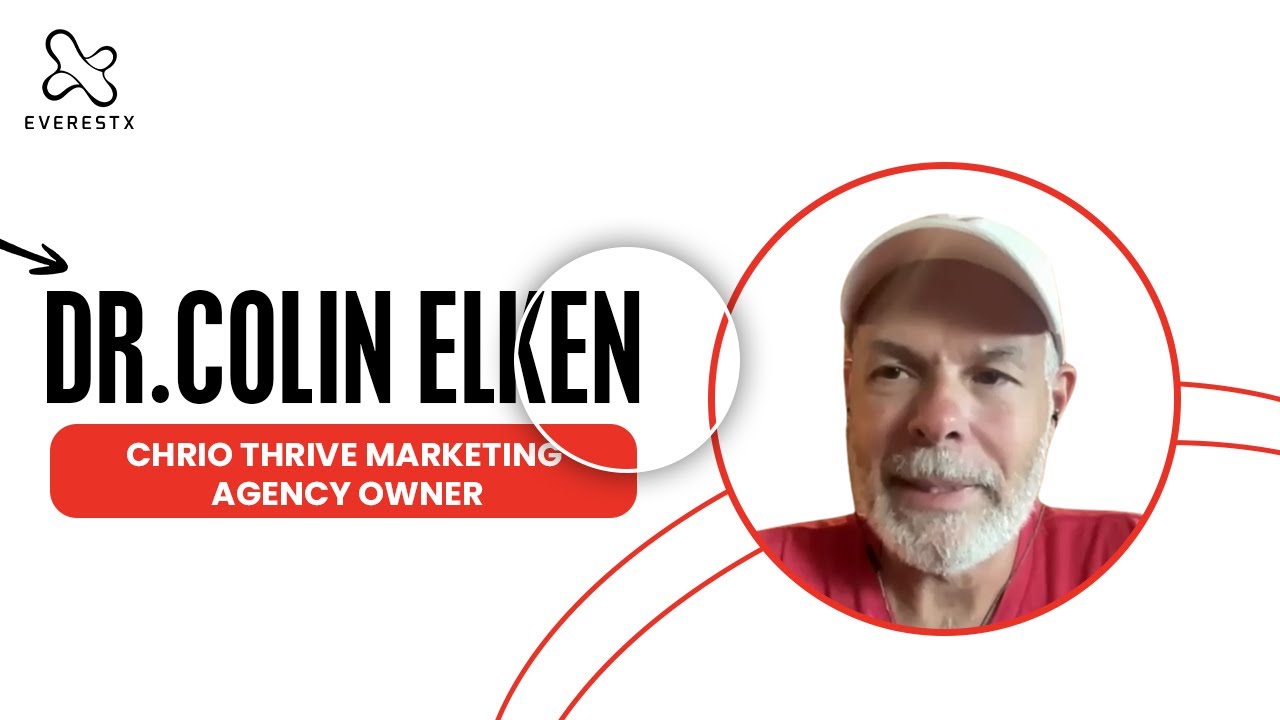
“He really acts as if he’s a part owner of the company. Owns up to mistakes right away, corrects them, and has done some wonderful work for us — frankly, helped us grow.”
Dr. Colin Elken
Agency Owner, Chirothrive Marketing Agency
Hired: Digital Marketing Specialist (Full-Time)
“He was a great team member with us for the last year. Definitely knows digital ads — very responsive and committed throughout.”
Jerry Martinez
President, Sunray Media Consultants
Hired: Performance Marketing Specialist (Full-Time)
“Saved us a ton of time on screening. The person they sent came in ready and picked up our stack fast — has been delivering consistently since week one.”
Rishi Patel
Senior Talent Operations Manager, RippleMatch
Hired: Paid Ads Specialist (Part-Time)
Tutorials
Want to do this yourself? Here is how
Free, step-by-step tutorials covering the tools this role works in. If at any point you would rather hand it off, our specialists are above.
Surfer SEO
Surfer vs Clearscope vs MarketMuse — which content optimization tool wins for you
Three tools dominate the content optimization category. They look similar on the surface and diverge sharply on workflow, NLP quality, and team fit. This walks through the honest decision matrix, not the marketing comparison.
Surfer SEO
When to stop DIY-ing Surfer and hire a specialist
Surfer is one of those tools that looks simple in the marketing pitch and turns into a real operational lift once you publish 10+ articles. Most founders cross the DIY-to-hire threshold 6-12 months before they admit it. This walks through the signals.
Clearscope
When to stop DIY-ing Clearscope and hire a specialist
Clearscope at $189-1,200/mo is one of those subscriptions that looks like 'a tool' from the outside and feels like a job from the inside. Most founders cross the DIY-to-hire threshold 6-12 months before they admit it. This walks through the signals.
AnswerThePublic
AnswerThePublic vs Ahrefs Keywords Explorer — which wins for what
ATP and Ahrefs Keywords Explorer look like overlapping tools at $99/mo each. They're not — they answer different questions about your topic universe. This walks through the honest comparison so you stop double-paying or under-buying.
Ready to Hire a SEO Content Specialist?
Get matched with a vetted SEO Content Specialist in 48 hours. Try 1 week risk-free — no charge if not the right fit.
48-hour match guaranteed · Replacement at no cost · Cancel anytime